
Biscuit vs. Cookie: What Is the Difference and Which Travels Better?
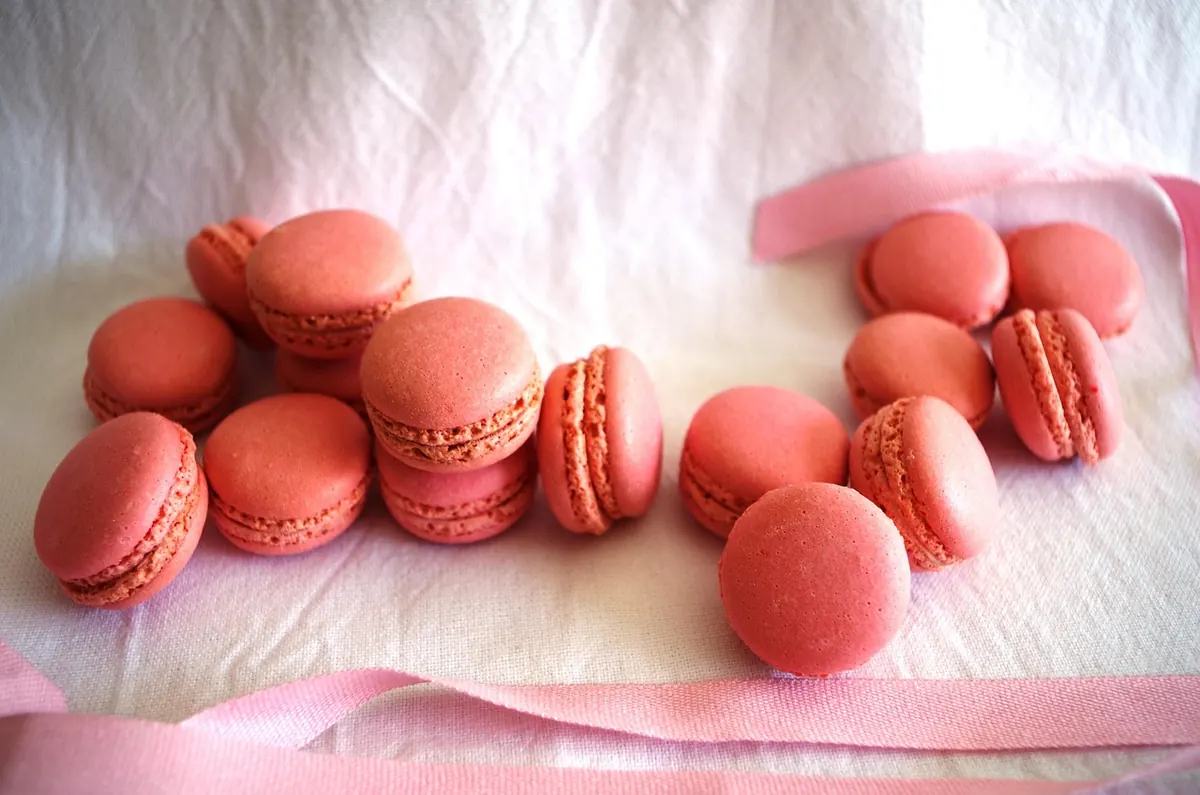
Ask for a biscuit in London and you get a crisp, snappable disc built for dunking. Ask in Atlanta and you get a warm, flaky round of quick bread, split and buttered. Ask for a cookie almost anywhere and people nod — unless you are in a British bakery, where "cookie" is simply the American cousin of the biscuit. This is not just a vocabulary quirk. If you are ordering baked goods to be delivered, the word you type decides what shows up at the door, and the thing that shows up has to survive a journey in a box.
Two Languages, Three Baked Goods
The word biscuit comes from the Latin bis coctus — twice baked. That origin tells you everything. The original biscuits were dried hard so they would keep for months at sea. British biscuits still follow that logic: thin, dry, low in moisture, engineered for shelf life. A digestive, a rich tea, a shortbread finger — all of them are essentially edible architecture.
The American biscuit took a different path. It is a quick bread, risen with baking powder or soda, made with cold fat cut into flour and barely handled. Steam and chemistry do the lifting. It is at its best fifteen minutes out of the oven and never quite as good again.
Cookie entered English from the Dutch koekje, meaning little cake, and it describes a softer, richer, more variable family: chewy oatmeal, gooey chocolate chip, crisp-edged sugar cookies. Some cookies are practically biscuits. Some are closer to cake. That range is exactly why shipping them takes more thought.
Moisture Is the Whole Story
If you remember one rule for delivery, make it this: dry things travel, wet things don't. Everything else follows.
Crisp biscuits get their snap from a low water content and a high proportion of fat and sugar. Classic shortbread runs on the old shorthand — one part sugar, two parts butter, three parts flour — with no egg and no liquid at all. There is nothing in the dough that wants to migrate, so the texture stays put for weeks.
American cookies carry eggs, brown sugar and often more butter. Brown sugar is hygroscopic, meaning it pulls moisture from the air, which keeps cookies chewy and also makes them soft, sticky and prone to clumping in transit. An American biscuit is wetter still: buttermilk or milk, a tender crumb, and a shelf life measured in hours rather than weeks.
A Quick Field Guide
- British biscuits: digestives, rich teas, shortbread, ginger nuts, bourbon creams. Very low moisture. Excellent travellers, with one weakness — humidity.
- American biscuits: buttermilk, drop, cathead, cream biscuits. High moisture, best eaten the same day. Poor travellers unless frozen and reheated.
- Drop and shaped cookies: chocolate chip, oatmeal raisin, peanut butter. Medium moisture. Good for a few days, then noticeably staler.
- Sandwich and cream-filled cookies: two crisp shells plus a soft filling. The filling is the weak point; in warmth it softens the shells from the inside.
- Filled, iced and glazed treats: jam thumbprints, frosted sugar cookies, custard centres. The prettiest and the most fragile. Icing smears, jam weeps, glaze goes tacky.
Which Travels Better, Honestly
Ranked from most to least durable in a standard parcel, the order is fairly consistent:
- Plain crisp biscuits — shortbread, digestives, hard ginger snaps
- Thin crisp cookies — tuiles, wafers, biscotti
- Sturdy drop cookies — oatmeal, peanut butter, chocolate chip with firm chips
- Chewy or soft-baked cookies
- Sandwich cookies and anything with a cream layer
- Iced, glazed and jam-filled items
- American biscuits, scones and anything meant to be warm
Heat is the wild card. Chocolate chips bloom and smear above roughly 24°C (75°F), and a soft cookie pressed against a warm box will fuse with its neighbour. If you are shipping in summer, either choose a firm, low-chocolate recipe or send a dry, crisp biscuit instead.
Packing Rules That Actually Save the Crumb
Cool, then layer
Never box a biscuit or cookie that is still warm. Residual heat turns to steam inside the container, and steam is the enemy of snap. Let everything cool completely on a rack, then layer with parchment or wax paper between rows.
Use two containers, not one
A rigid tin inside a snug outer box beats a single flimsy carton every time. Fill empty space with crumpled paper or bubble wrap so nothing shifts. A biscuit that can move will break; a biscuit that is held still will arrive intact.
Watch the neighbours
Biscuits pick up odours. Gingersnaps next to delicate shortbread will perfume the whole tin. Keep strong spices, coffee and anything savoury in separate containers.
Ship early in the week
Posting on a Monday or Tuesday avoids a parcel sitting in a depot over a weekend. Include a note telling the recipient that if crisp biscuits have gone soft, five minutes in a low oven — around 150°C (300°F) — will bring the snap back. It works surprisingly well.
One practical note: if you are sending to someone with allergies, check the ingredient list carefully and choose a recipe or bakery that can tell you exactly what is in the box. When in doubt, ask before you ship.
Matching the Treat to the Trip
For a long-distance parcel, a gift that has to sit on a desk for a week, or a warm-weather delivery, choose crisp: shortbread, digestives, ginger snaps, biscotti. They arrive as intended and stay good long after.
For a local drop-off, a next-day courier, or a hand-delivered thank-you, softer goods are worth it. Chocolate chip cookies at their chewy best beat a perfect shortbread that nobody is excited about. And if you want to send American biscuits, send them frozen, packed with a cool pack, and tell the recipient to reheat them wrapped in foil — or simply send the dry mix and a written recipe instead.
British biscuits and American cookies can both be lovely gifts. Only one of them enjoys the journey.
The Short Answer
A British biscuit is dry, crisp and built to last; an American biscuit is a soft quick bread that should be eaten the day it is made; a cookie sits somewhere in between, leaning soft. For delivery, crisp wins on durability every time. Choose shortbread, digestives or thin crisp cookies when the parcel has distance or warm weather ahead of it, and save the chewy, iced and freshly baked treats for trips you can make yourself. Match the texture to the journey, pack it tightly, and the box that arrives will taste like the one you sent.
Photo: lavaligiainviaggio / Pixabay