
Local Angle: How to Find a Local Biscuit Baker That Ships Nationwide
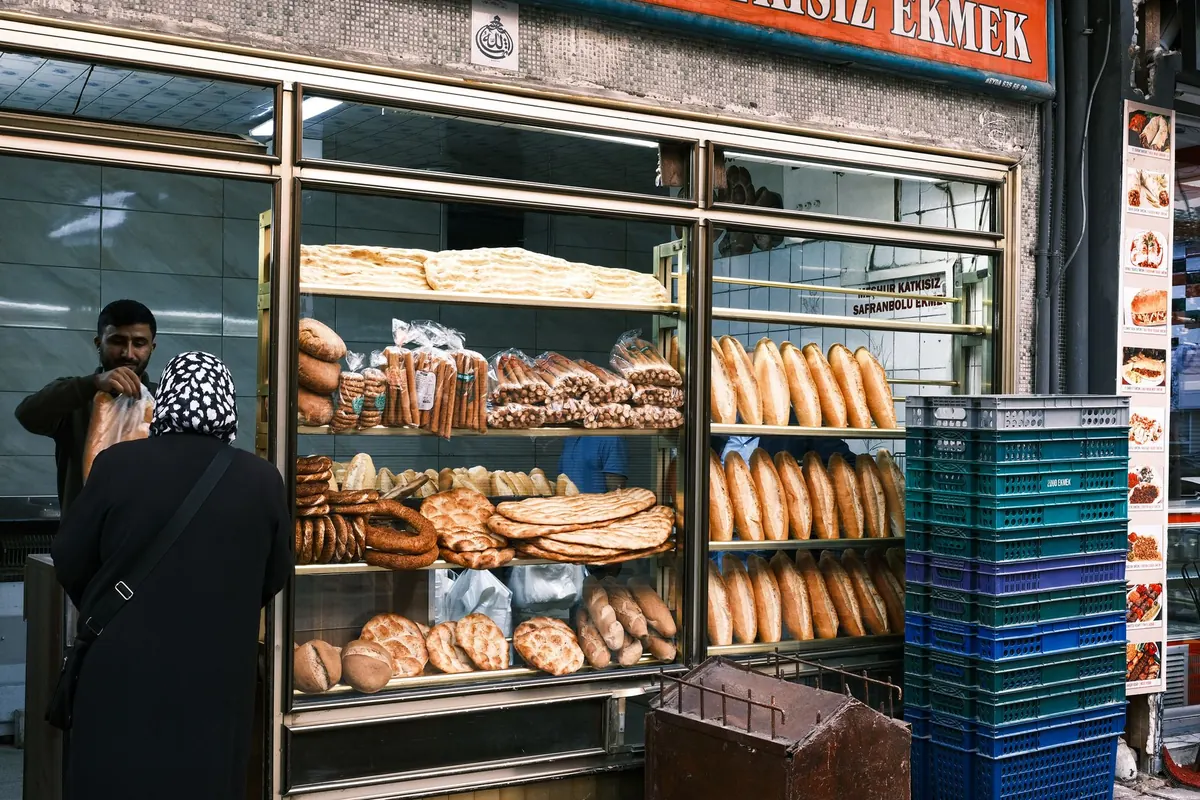
You want to send biscuits to someone four states away, and you'd rather the money land in a bakery two towns over than in a fulfillment center you'll never see. That's a reasonable wish, and it's more achievable than it used to be. Small bakeries have gotten good at packing shortbread in tissue, stacking cookies in molded trays, and handing a labeled box to a carrier. Many of them ship nationwide. A few ship anywhere at all. Others ship only when the weather cooperates.
The catch is that "ships nationwide" means different things in different shops — everything from a genuine two-day service with cold packs to an optimistic paragraph and a cardboard box. Here's how to find a local baker worth trusting with a long-distance delivery.
Start with a map, not a search bar
Typing "biscuits near me" into a search engine hands you whatever the algorithm is promoting that week. Work outward in rings instead, and treat your first list as a set of candidates rather than the final answer.
- Search by town and county, then zoom out. Look for pins in smaller towns along the highway outside the city. Those shops often sell wholesale to a few local restaurants and ship retail on the side.
- Read farmers market vendor lists. Most markets post their vendors online. A Saturday stall is a real bakery with real packaging, and many of them will arrange shipping if you ask.
- Ask your coffee shop or deli who makes their shortbread, cheese straws, or sandwich cookies. Small wholesale customers know exactly which local kitchen is behind the counter.
- Check state food directories and regional food magazines. State agriculture departments and tourism boards keep lists of makers, and regional magazines run annual roundups that include tiny operations.
- Use location tags on social media. A bakery that posts from a rented kitchen three towns over is still local, and often more flexible about custom boxes than a bigger shop.
Widen your definition of "local" if you have to. Within an hour's drive, or anywhere in your state, still keeps the money in your region. The point isn't a strict radius. It's knowing the name of the person who crimped the foil.
Read the shipping page like a skeptic
Almost every bakery has a shipping page, even the two-person operations. Read it all the way to the bottom before you fall in love with a particular tin.
What a useful shipping page tells you
- Where they ship — all fifty states, continental only, or a regional radius
- Which carrier and service level they use, and whether it's ground or expedited
- Ship days and order cutoff times
- Packaging: insulated liner, cold pack, molded tray, airtight tin
- Whether they ship to PO boxes or military addresses
- Whether local pickup or delivery is an option
- How they handle heat, holidays, and vacation closures
Treat a thin page as a question, not a disqualification. The warning signs are more specific: a checkout that accepts any address with no mention of where they actually ship, a promise to ship "within a few days" with no ship days listed, or no way to reach a human besides a form that answers once a week.
Ask three questions before you order
Send one short email with everything in it. Bakers read messages in batches between oven timers, and a single tidy note gets a faster answer than a thread.
- Will you ship to this ZIP code, and on which days do boxes leave?
- How is this specific item packed, and how does it hold up in hot or freezing weather?
- What happens if it arrives melted, crushed, or late?
Two extras worth adding: whether they can tuck in a handwritten note, and whether they send tracking. If your recipient has a serious food allergy, ask the bakery directly about their kitchen and ingredients — they are the only reliable source, and a general web page won't cover shared equipment. Don't be shy about it. Good bakers would rather answer than guess.
A box that lands on a Thursday and gets opened on Sunday is a different gift than one that arrives Friday morning.
Match the biscuit to the journey
Some biscuits travel, and some simply don't. Plan the order around the route, not the other way around.
Ships well
- Shortbread, biscotti, and hard ginger snaps
- Savory cheese crackers and seeded wafers
- Twice-baked rusks and other low-moisture biscuits
- Individually wrapped cookies, which survive jostling and stay crisp
Handle with care
- Iced, glazed, or chocolate-dipped anything
- Cream-filled sandwich biscuits
- Anything with fresh fruit, fresh cream, or a soft meringue
Fresh buttermilk biscuits are their own case. They're at their best within an hour of leaving the oven, and no carrier can reproduce that. A shipped batch is a gesture and a memory, not a hot breakfast. If you want the real thing to arrive somewhere far away, ask whether the bakery ships frozen dough or par-baked biscuits, and whether your recipient is willing to finish them in their own oven.
If a bakery doesn't ship at all, you can still buy local and send it yourself. Choose shelf-stable items, layer them with parchment in an airtight tin, leave a couple of inches of padding on every side, and use a faster service than you think you need. Check the carrier's rules on perishable food before you commit to shipping anything with butter in it.
Send a test box to yourself first
This is the single most useful step, and almost nobody does it. Order one small box to your own address. You learn three things at once: how it arrives, how long it takes, and whether the texture survived the trip. It costs a little and takes a week, and it saves you from sending a disappointing box to your future in-laws.
Then, when you send for real:
- Order early in the week so the box doesn't sit in a facility over the weekend.
- Ship to an address where someone is actually present. Hot porches and mail rooms are hard on butter and chocolate.
- Tell your recipient the ship date and pass along the tracking number.
- Order well ahead of holidays, when small bakeries cap how many boxes they'll send.
- Save the bakery's direct email, not just the website, so next time you can ask a person.
Keep a short list and use it twice a year
Once you've verified two or three local bakeries, write down what each one is good at: the ship days, the items that arrived in good shape, the minimums, and the person who answered your email. Keep it somewhere you'll find it — a note on your phone is enough.
That list does two jobs. It sends money to businesses in your area, and it lets you be the person who always has a gift ready: a thank-you for a neighbor, a birthday box for a friend who moved away, a sympathy gesture that doesn't require flowers. Next time you need biscuits to travel, you won't be starting from zero. You'll be texting a baker you already trust.
Photo: Onur / Pexels