
How to Choose a Biscuit Delivery Service for Gifting
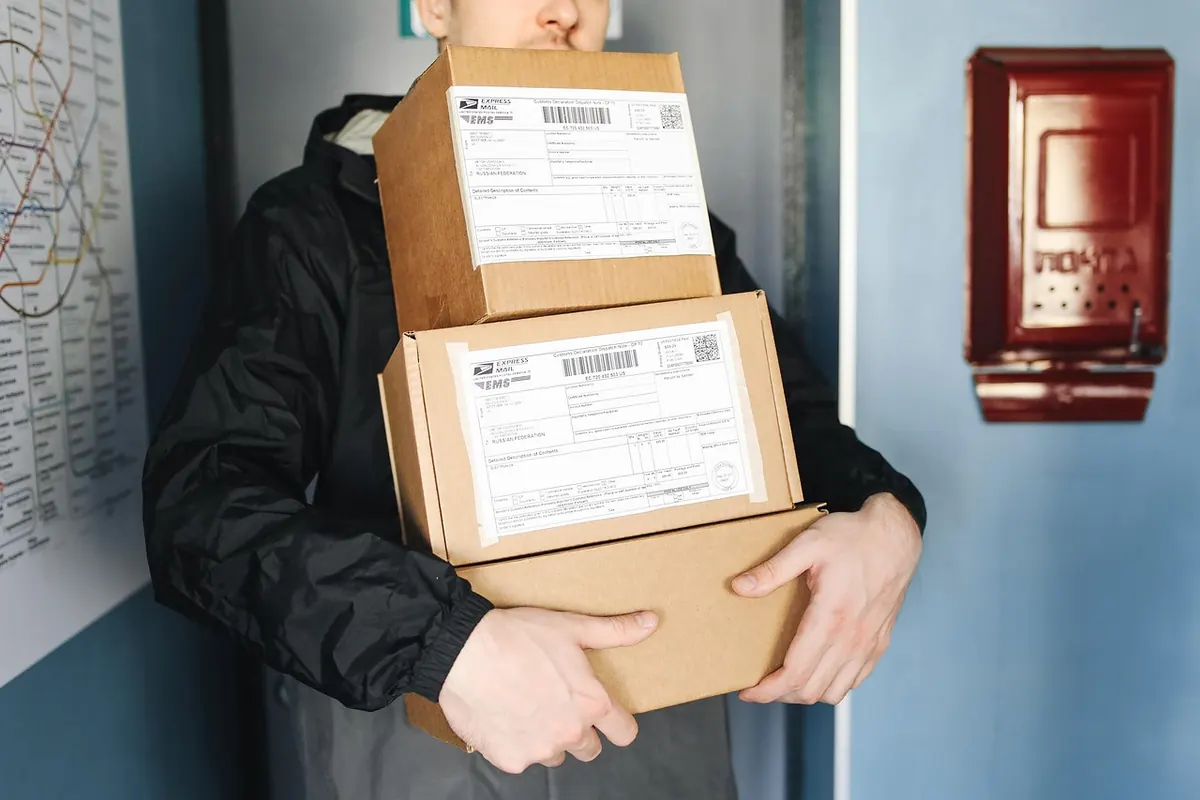
Ordering biscuits for someone else is a small act of trust. You won't be there when the box lands on their step, you can't check whether the butter cookies still taste like butter, and you won't see their face when the lid comes off. Everything you can control happens before you press order. Choose well and you get a message a few hours later: nothing broken, gone already, thank you. Choose badly and you get a photograph of crumbs and an apology.
Here is how to compare delivery services with your eyes open.
Start With the Biscuit, Not the Box
Decide what you are actually sending before you start comparing websites. Fragility shapes everything else: transit time, cushioning, which seasons you can ship in, even the size of the box.
Some biscuits are born travelers. Shortbread, ginger snaps, biscotti, and firm oat cookies hold up over several days and a few sorting facilities. Others need looking after: meringues, lace biscuits, tuiles, anything cream-filled, and chocolate-dipped biscuits in warm weather. If your heart is set on something delicate, look for a service that ships overnight or packs with insulation, and plan for the extra cost.
- Sturdy: shortbread, ginger snaps, biscotti, oat cookies, plain butter biscuits.
- Moderate: jam sandwich biscuits, iced biscuits, thin chocolate-coated biscuits in cool months.
- Fragile: meringues, tuiles, lace biscuits, cream-filled sandwiches, chocolate-dipped anything in summer.
Ask about the recipient, too. If nuts, gluten, or dairy are a concern, confirm ingredients directly with the kitchen rather than trusting a website filter. Anyone managing a serious allergy should treat a gift box the way they would any unfamiliar food and check with the maker first.
Freshness Is a Date, Not a Feeling
"Freshly baked" appears on nearly every homepage and means different things. Some kitchens bake to order and ship the same day. Some bake weekly and ship from stock. Some are resellers who never see a baking tray. None of that is automatically bad — a shelf life of a couple of weeks is normal for many biscuits — but you should know which one you are buying from.
The most useful question is simple: is there a bake date on the package, and how close is it to the ship date? A service that prints dates is telling you it has nothing to hide. One that can't answer is telling you something too.
Four questions worth sending before you order
- When are the biscuits baked relative to when they ship?
- Is a bake date or best-before date printed on the packaging?
- How long do they stay good once the tin is opened?
- Do you ship in the same week you bake?
The replies tell you more than any product page. Short, specific answers are a good sign. Vague enthusiasm is not.
Packaging Does Half the Work
Biscuits rarely break because of distance. They break because they were loose in a box. Look for snug inner packing — a tin, a molded tray, a tight insert, individually wrapped pieces in an assortment — and enough padding that nothing shifts when the parcel is turned over. A biscuit rattling around for two days will arrive as crumbs no matter how fast the courier is.
Ask how they handle heat if you are ordering in summer, or if the recipient lives somewhere warm. Chocolate blooms and softens in transit; a service worth using will have a plan for it, whether that is cold packs, faster shipping, or a polite note suggesting you order in cooler months.
For gifting, packaging has a second job: the moment of opening. A plain carton with a bag inside reads as a shipment. A tin with a card reads as a gift. Both can hold the same biscuits. Only one gets photographed and sent back to you.
Shipping Speed Isn't the Same as Shipping Timing
Overnight delivery sounds impressive until the box arrives on a Tuesday when your recipient is away until Friday. What you actually want is arrival on the right day, not the fastest possible transit.
Good services let you choose a delivery date at checkout, ship early in the week so nothing sits in a depot over a weekend, and warn you about holiday cutoffs well before you need to know. Ask where the parcel ships from, too. A kitchen a long way from your recipient is fine if they ship overnight; if they ship ground, the biscuits will spend longer in transit than they did on the cooling rack.
The Gift Details That Actually Matter
Once freshness and packaging are settled, the difference between two good services comes down to small things.
- A note in your own words, printed or handwritten, not a generic greeting.
- A gift receipt with no prices shown, in case the recipient wants to exchange.
- Clear ingredient and allergen labeling on the box, not buried on a website.
- Multiple-address shipping, so one order can reach four people on the same day.
- A named human to contact if the box arrives damaged, and a stated policy for what happens next.
Skip the upsells that only look good in a photograph. A ribbon is pleasant; a note that sounds like you is better. And if the service offers a replacement guarantee, read what it actually covers — some exclude melt damage, some require photos, some want to hear from you within a day or two.
Run a Test Order First
The cheapest research you can do is send a box to yourself. Order the assortment you are considering, in the same season you plan to gift it, and open it the way a recipient would. How much crumb is in the bottom? Is the tin tight? Do the biscuits taste like they were baked this week?
Take a photo of the parcel as it arrived. That is what your friend will see. For a wedding, a corporate list, or a dozen holiday gifts, do this at least a month ahead and give yourself time to switch suppliers. You would much rather find a problem with one box than with forty.
A Short Pre-Order Checklist
- Pick biscuits that can survive the season and the distance.
- Confirm the bake date and the shipping date, in writing.
- Ask how the box is packed inside, not just how it looks outside.
- Choose an arrival day rather than the fastest shipping option.
- Add a personal note and a no-price receipt.
- Confirm the damage and replacement policy before you pay.
- Send one to yourself first.
Work through that list once and the whole thing stops feeling like a gamble. You will know what is in the box, when it lands, and what happens if the courier drops it on the wrong porch. That is about as much certainty as sending a gift through the post allows — and it is enough to make the thank-you message worth waiting for.
Photo: romeosessions / Pixabay