
The 10-Point Checklist for Sending Cookies by Mail Without Breakage
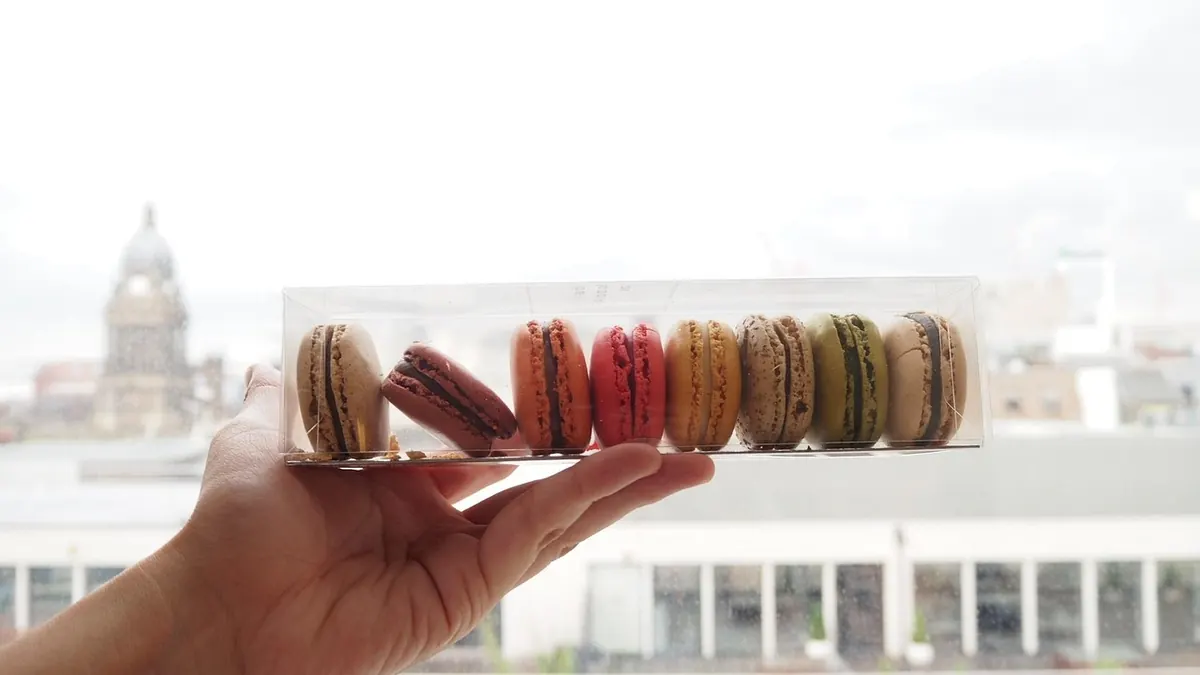
A box of cookies that arrives as crumbs is a small heartbreak, and it is almost always preventable. Breakage rarely comes from a delivery driver being unusually careless. It comes from empty space inside the box, from cookies that were still warm when they were wrapped, or from a decorative tin with nothing inside to hold the contents still. Work through the ten points below and your cookies should arrive looking the way they did when they left your kitchen.
Start With Cookies That Can Take a Bump
Some cookies travel as if they were designed for it: shortbread, biscotti, gingersnaps, firm oatmeal cookies, and most drop cookies baked a minute or two past pale. Bar cookies are the easiest of all. Brownies and blondies cut into squares, wrapped individually and stacked flat, arrive looking almost untouched.
Others are fragile by nature: thin tuiles, meringues, soft sandwich cookies, and anything with piped icing or a glaze. You can still mail them, but each one needs its own cradle and the box needs extra cushioning. If a batch is precious to you, hand delivery is kinder than the postal system.
Shape matters too. A very large, thin cookie tends to crack down the middle; a very small one slips into gaps. Medium and slightly thick is the easiest thing to pack.
The Ten-Point Checklist
- Cool completely. Wait at least an hour after they leave the oven, until the undersides are at room temperature. Warm cookies trap steam under plastic wrap, and that steam softens crisp cookies and turns soft ones gummy.
- Wrap in pairs, back to back. Flat sides facing each other, rounded sides out, so each cookie braces the other instead of pressing into it.
- Seal each bundle. Snug plastic wrap or a small zip-top bag with the air pressed out. A loose wrap lets cookies rub together and crumble at the edges.
- Line the container. An inch of bubble wrap, crumpled parchment, or tissue in the bottom of a tin or rigid box.
- Fill every gap. Empty space is the enemy. Cookies only break when they can move.
- Cushion the top. Whatever you put underneath goes on top before the lid closes.
- Choose a rigid container. A tin, a sturdy gift box, or a small corrugated carton. Padded envelopes crush cookies flat.
- Double box. Set that container inside a larger shipping box with about two inches of cushioning on every side.
- Check the weather. Heat melts chocolate and softens glaze; humidity ruins meringues and crisp cookies.
- Ship early in the week. Monday through Wednesday, so the parcel does not sit in a facility over the weekend.
Wrapping, Layer by Layer
Work on a clean surface with plastic wrap already cut to size. Lay a cookie face down, fold the wrap over the flat side, roll the bundle, and tuck the ends. Keep stacks shallow — two or three cookies high at most, with parchment or bubble wrap between the layers. The bottom layer carries all the weight, so put the sturdiest cookies there and the delicate ones on top.
Some packers stand cookies on edge in tight rows, like records in a crate, with cushioning packed around the rows. It works well in a deep tin, though it takes patience and a steady hand.
Cushioning Is Where Most Boxes Fail
Most people cushion the bottom and forget the walls. The sides of the outer box matter just as much, because a parcel that gets set down hard on one corner sends that shock straight through to whatever is nearest. Wrap the tin in a layer of bubble wrap, then add crumpled paper until the inner box cannot shift when you press on it from any direction.
A well-packed box should feel like a well-made bed: snug, smooth, and impossible to move in.
There is a limit, though. Overstuffing presses the lid down onto the top layer of cookies and cracks them from above, which is just as bad as rattling. Aim for firm, not tight.
Choose the Box Like You Mean It
Corrugated boxes are stronger than they look when they are close to the right size — within about half an inch of the wrapped contents. Too big means you need a mountain of filler. Too small means there is no room for cushioning at all.
A metal tin makes an excellent inner container because it resists crushing, but it also lets cookies slide and clatter, so line it and fill the gaps. Reuse boxes only if they are clean, dry, and still rigid. A carton that has already been through the system once has lost some of its strength.
Timing, Weather, and the Shipping Window
Weather decides which cookies should travel and when. In warm months, chocolate chips and chocolate-dipped cookies can arrive smeared, and icing can slide sideways. Save those for cooler weeks or choose a faster service. In humid weather, meringues and crisp cookies go soft, so seal them well and consider a food-safe desiccant packet tucked in with the padding, not touching the food itself. Soft cookies take kindly to a slice of bread in the container; it releases moisture slowly and keeps them chewy.
Ship early in the week, steer clear of the days right before major holidays when networks are busiest, and choose the fastest service your budget allows. Every extra day in transit is another chance for a heavy parcel to land on top of yours.
Before the Tape Goes On
Seal the inner container, set it in the outer box, and close everything up. Then shake the box gently. If you feel or hear the contents sliding, open it and add more cushioning. Tape every seam, including the bottom edges, which are easy to forget.
Write the recipient's address on a slip
Photo: ppradubmook / Pixabay