
How to Build a Custom Biscuit Gift Box for Every Occasion
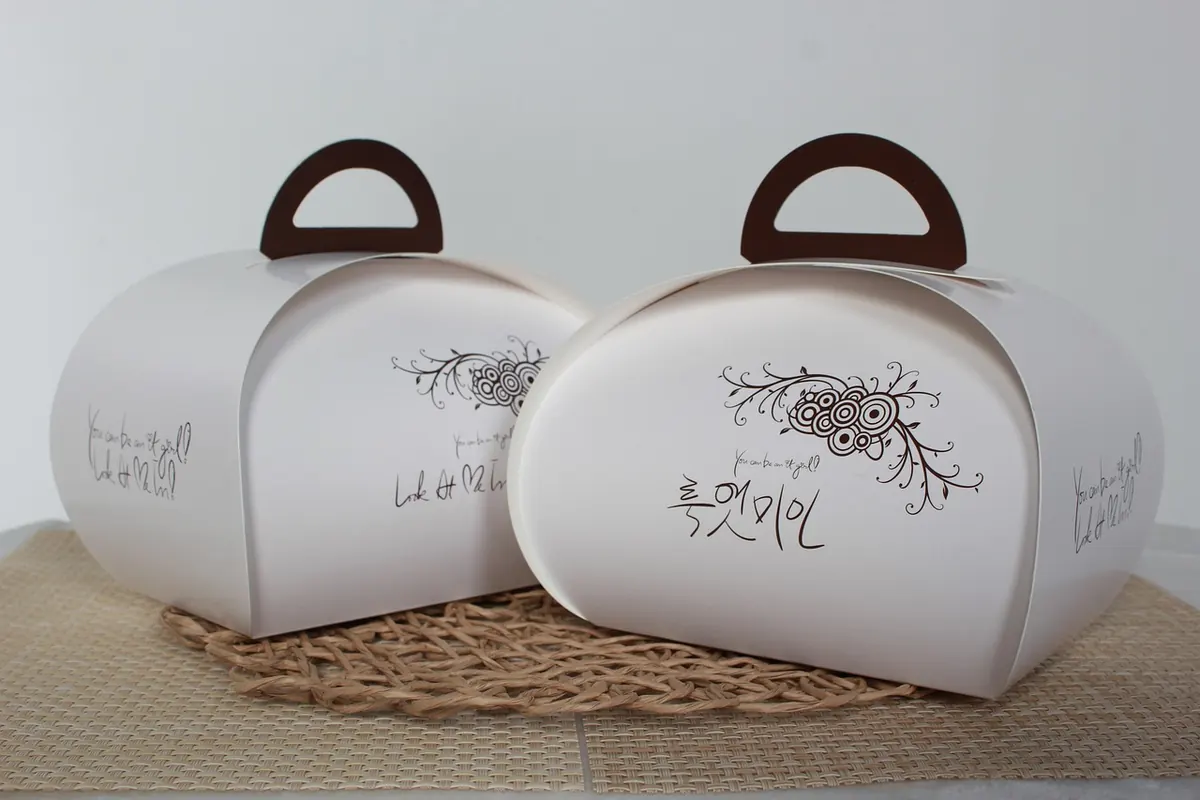
A box of biscuits is one of the few gifts that works for almost any occasion — and it stops working the moment it looks like something grabbed off a shelf on the way over. The difference between a forgettable box and one someone photographs before opening is rarely money. It is choice: the right mix of textures, the right sizes for the container, and a note that proves you were thinking about them in particular.
Here is how to build one from scratch, whether it is travelling across town or across the country.
Start With the Person, Not the Biscuits
Before you choose anything, answer four questions. They will narrow your options faster than browsing a shop ever will.
- Do they dunk? A dunker needs sturdy, absorbent biscuits — shortbread, digestive-style rounds, plain butter biscuits. A delicate iced biscuit collapses into a mug.
- Sweet or savoury leaning? Some people would rather have cheese biscuits and oatcakes than anything with chocolate on it. Ask yourself honestly which box they would finish.
- Any dietary needs? Nuts, gluten, dairy, eggs, or a preference for no alcohol in a filling. This is the one area where guessing badly ruins the gift.
- Who is sharing it, and when? A box for one person eaten over a week should be mostly long-keeping biscuits. A box for an office kitchen gets emptied in an afternoon, so you can use softer, fresher items.
Then think about tone. A box sent after a funeral should be quiet and plain — good butter biscuits, a short note, nothing playful. A box for a promotion can be loud: dark chocolate, salted caramel, a bit of glitter on the icing. Same skill, different register.
Build Around Three Textures
The single most common mistake in a homemade gift box is that everything snaps. Six crisp biscuits in a row taste like one long biscuit. Aim for three distinct experiences.
Crisp and snappy
Thin ginger snaps, tuiles, wafer-thin chocolate biscuits, seeded crackers. These give the box its crunch and its energy.
Crumbly and short
Shortbread, butter cookies, almond crescents, plain oat biscuits. These feel generous and buttery and hold up well in transit.
Chewy, jammy or filled
Jam sandwich biscuits, fruit-filled bars, soft gingerbread, chocolate-dipped Florentines. These are the ones that surprise people, and the ones that dictate your shelf life — keep them to a smaller share if the box will sit around for a while.
For flavour, pick a loose theme rather than a random assortment. A citrus box, a coffee-and-caramel box, a spice box with ginger, cinnamon and cardamom. Two or three flavour families in one box feels curated; six unrelated ones feels like a clean-out of the tin.
Sizes, Shapes and the Physics of a Full Box
A box should look full without being crammed. As a rough guide, a small gift box takes five to seven pieces, a medium one nine to twelve. Odd numbers tend to look better arranged than even ones, because the eye finds a centre.
Weight matters as much as looks. Put the heaviest, flattest biscuits at the bottom, the medium ones in the middle, and anything fragile, iced or domed on top. If a biscuit is taller than the box's clearance, it will arrive as crumbs — trim the selection rather than forcing the lid.
Fill gaps. Biscuits that slide around in transit crack against each other. Tissue paper, parchment, a folded napkin or a small bag of loose-leaf tea all work as padding, and they look intentional if you keep the colours simple: two or three at most.
An Assembly Order That Always Works
- Choose the box first, then the biscuits. A tin keeps everything crisp; a card box is lighter and cheaper to post but needs an inner bag.
- Line the base. Parchment or tissue, folded neatly, no visible tape.
- Sort your biscuits into heavy, medium and delicate piles.
- Wrap anything sticky or strongly spiced individually. Ginger should not perfume the shortbread.
- Layer heavy to delicate, padding as you go, and press down gently with a flat hand to check nothing shifts.
- Add the note on top, under the lid, or tucked between two middle layers so it is found rather than skimmed.
- Seal and label with the date you packed it, and what is inside if the recipient is avoiding anything.
The Note Does More Work Than the Biscuits
Write the note before you pack, not after. It is easy to assemble a beautiful box and then discover the card does not fit.
Keep it to three or four lines and make it specific. "The ginger ones are from the place we stopped on the way to your wedding" beats "Hope you enjoy these." If the box is for someone with allergies, say plainly what is inside each wrapper and mention if your kitchen handles nuts or gluten — they will appreciate the honesty far more than a surprise. For anything medical or allergy-related, the recipient's own guidance and the product labels matter more than any general rule.
Occasion Starting Points
Thank you
One strong flavour, done well: a good shortbread, a dark chocolate biscuit, a plain oat one. Three varieties, generous quantities, restrained packaging.
New home or new baby
Nothing that needs a plate or a knife. Individually wrapped biscuits, a mix of sweet and plain, and a note with your phone number on it.
Condolence
Plain, sturdy, easy to eat standing up. Keep it to two types, skip the glitter, and write less than you think you should.
Birthday or celebration
This is the moment for iced biscuits, dipped edges and a theme. Colour-coordinate the wrappers with the icing and include one ridiculous, oversized biscuit as the centrepiece.
Packing It for the Trip
If the box is travelling, pack it snug, then pack it again inside a bigger box with cushioning on all six sides. Heat is the enemy of chocolate and icing, so avoid posting on a Thursday before a warm weekend, and choose a delivery day when someone will actually be home.
Tell the recipient roughly what is inside and when to eat it — most plain biscuits keep well for a couple of weeks in a sealed tin, while anything fresh or cream-filled is best eaten within a few days. A small label on the base with the packing date solves most of the guesswork.
And if you can, hand it over yourself. A biscuit box opened in front of you, with the note read out loud, is the version people remember.
Photo: markroad1230 / Pixabay